01Overview
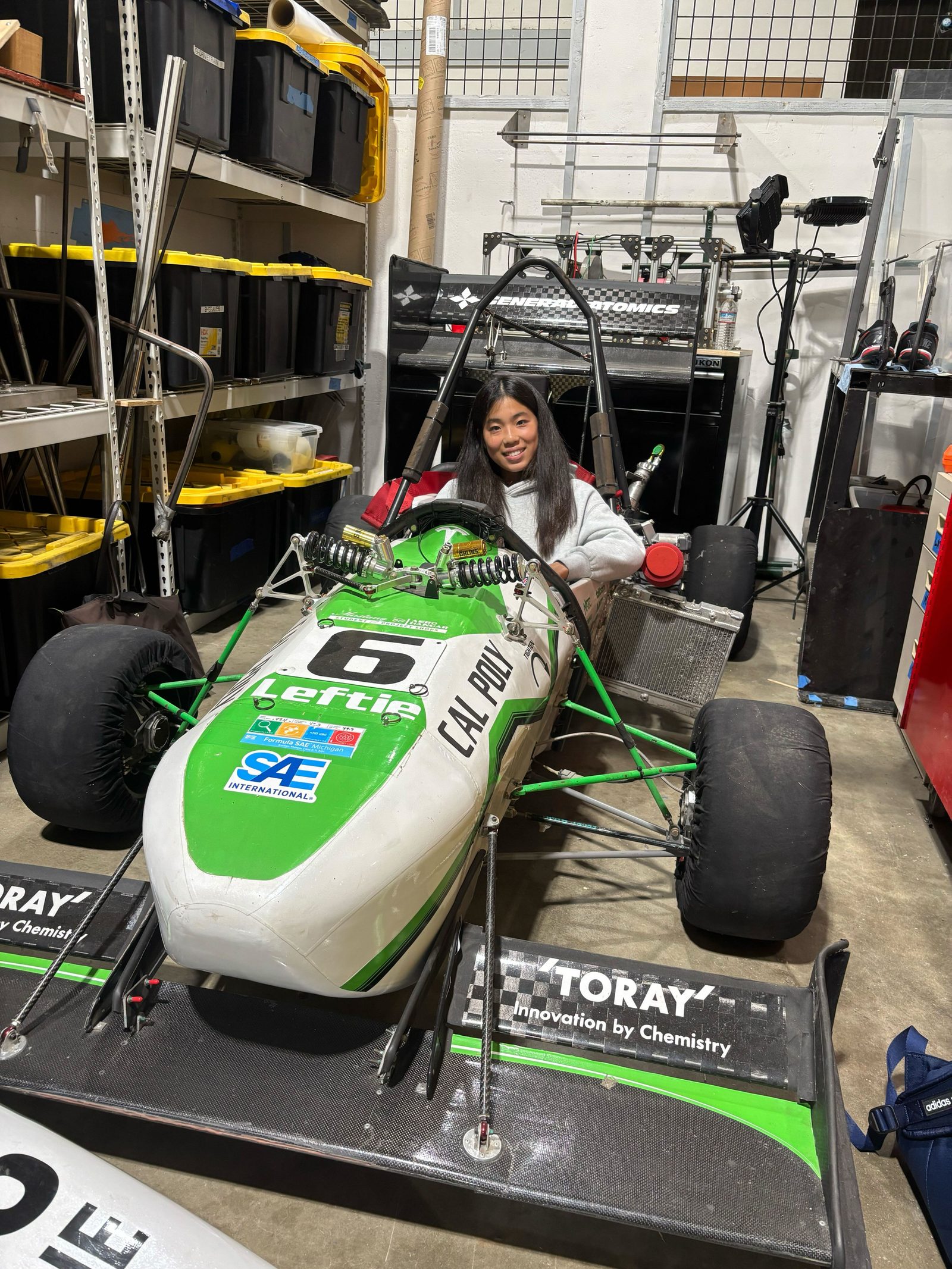
As a Brakes Systems Team Member on Cal Poly Racing, I led the redesign of the brake-line system for the 2026 Formula SAE vehicle, cutting brake-system mass by 25% while meeting safety, packaging, and reliability requirements.
02The Challenge
The 2026 vehicle's brake-line system needed to satisfy updated safety requirements while fitting within tight vehicle packaging constraints — without sacrificing reliability or efficiency.
03My Role
- Led the redesign of the brake-line system for the 2026 Formula SAE vehicle.
- Redesigned the system to satisfy updated safety requirements.
- Worked around vehicle packaging constraints.
- Improved reliability and efficiency, developing a more robust brake-line layout.
- Presented design reviews and trade studies to vehicle subteams.
- Communicated design decisions and system-level impacts.
04Engineering Process
The redesign moved from requirements to a validated layout through trade studies and design reviews with the vehicle subteams, weighing routing options against safety rules, packaging, and mass.
05Design Decisions
The redesign balanced three constraints at once: updated safety requirements, tight vehicle packaging, and a mass target — resulting in a more robust brake-line layout. Add specific routing or component tradeoffs here as you're able to document dimensions, materials, or pressures.
06Testing / Validation
Design reviews and trade studies were presented to vehicle subteams to validate routing decisions and system-level impacts before the layout was finalized.
07Outcome
The redesigned system satisfies updated safety requirements and vehicle packaging constraints while improving reliability and efficiency.
08What I Learned
Add a short technical reflection here — what you learned about balancing safety requirements, packaging, and mass targets, or about presenting trade studies to subteams.